Journal
Nipple Clamps: Pressure, Time, and the Two Rules
Updated
Clamps are among the cheapest things in a metal range and among the easiest to get wrong, because the two variables that matter are not the two variables that listings talk about. Listings talk about style and material. What decides the experience is pressure and time, and time is the one people lose track of.
Rule one: adjustable beats fixed, every time
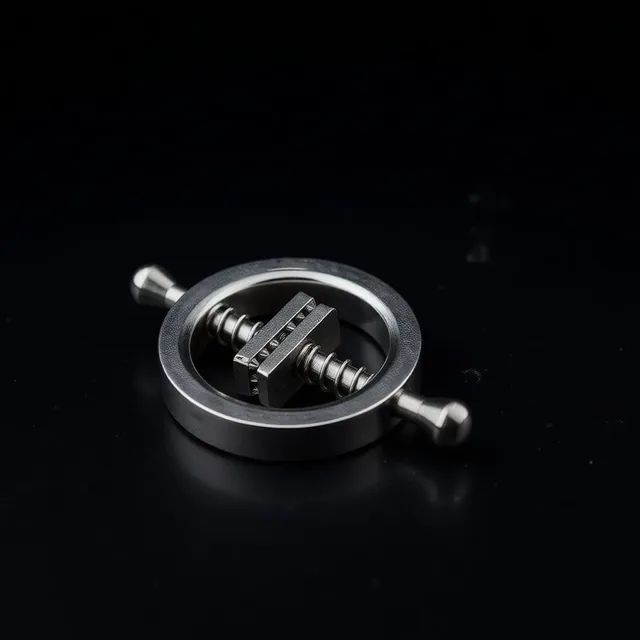
A fixed-tension clamp has one setting, chosen by a factory for an average nobody. An adjustable clamp — a screw, a slider, a tunable spring — lets you start far lighter than you think you need and come up in small steps.
This matters more than it sounds, because sensitivity varies enormously between people, between sides on the same person, and across a cycle for anyone who has one. A clamp that is right in one session can be far too much in the next. Our Tempest clamps are adjustable spring clamps joined by a fine chain for this reason.
Rule two: time matters as much as pressure, and it is easier to lose track of
A clamp restricts blood flow while it is on, and the sensation on removal — when circulation returns — is usually sharper than anything felt while it was in place. Both how hard and how long contribute, and in the moment neither person has a reliable sense of elapsed time.
Two habits, then. Set a timer rather than trusting your judgement of how long it has been. And agree the ceiling before you start, when you are both thinking clearly, rather than negotiating it while one of you is not.
We are not going to print a number of minutes as if it were a medical threshold; we do not have the evidence for one, and skin, sensitivity and circulation all vary. What we can say is that the signs matter more than the clock: colour going white or dusky, numbness rather than sensation, or cold. Any of those and the clamps come off immediately. If you want a figure to start from, ask a clinician rather than a shop.
Removal is the part to plan
Take clamps off slowly, and expect the sensation to spike as blood returns. Warm hands over the area afterwards help. Taking both off at once is more intense than taking them off one at a time; that is a choice to make on purpose rather than to discover.
What the chain is for, and what it is not
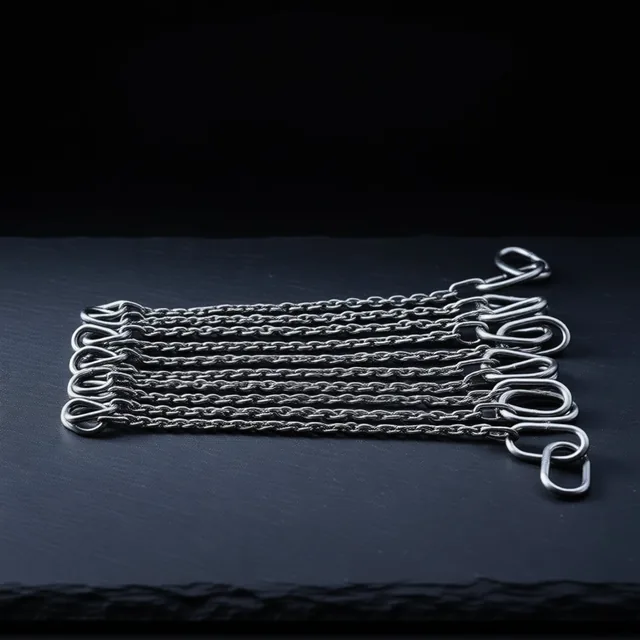
A chain between two clamps is mostly aesthetic and slightly functional: a light, even tension, and something that moves. It is not a handle. Pulling on the chain transfers force straight to the clamp jaws, which is how a clamp comes off in the least pleasant way possible, and it is also how skin tears. We publish no load rating for the chain and do not suggest hanging anything from it.
Materials and skin
Steel and steel-alloy clamps are non-porous, which makes them far easier to clean than anything textured. Wash first with warm water and soap — alcohol does little on a surface that is not already clean — then wipe with 70% isopropyl and let the surface stay visibly wet for a while rather than flashing off in a second. Anything with a coated or painted jaw should be checked for chips; a chipped coating is a rough edge in the worst place for one. Rubber tips soften pressure and wear out; check them.
In short
Adjustable, start light, agree a limit in advance, set a timer, watch the colour rather than the clock, remove slowly, never pull the chain. That is very nearly everything. The clamps are in restraints, and general steel care is in caring for steel.