Journal
A Set, or Pieces One at a Time?
Updated
Every metal range sells both, and the price gap is usually enough to make the decision feel financial. It is not really. A set and a collection of pieces behave differently in use, and the difference shows up on the third or fourth occasion rather than the first.
What a set actually gives you
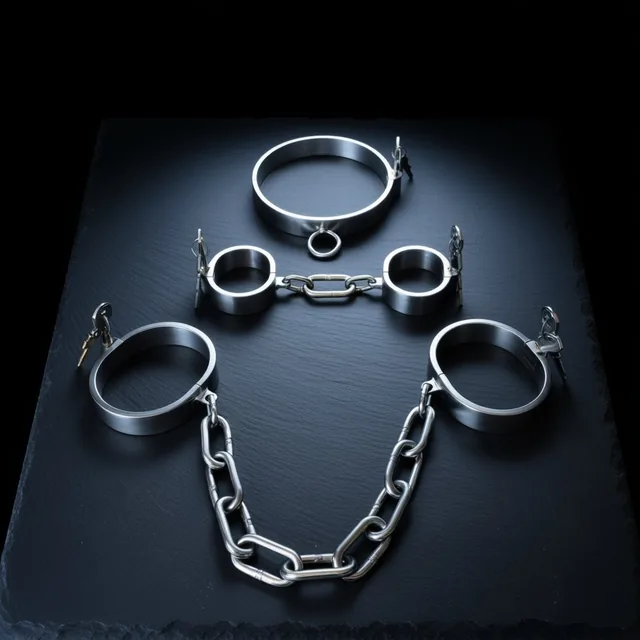
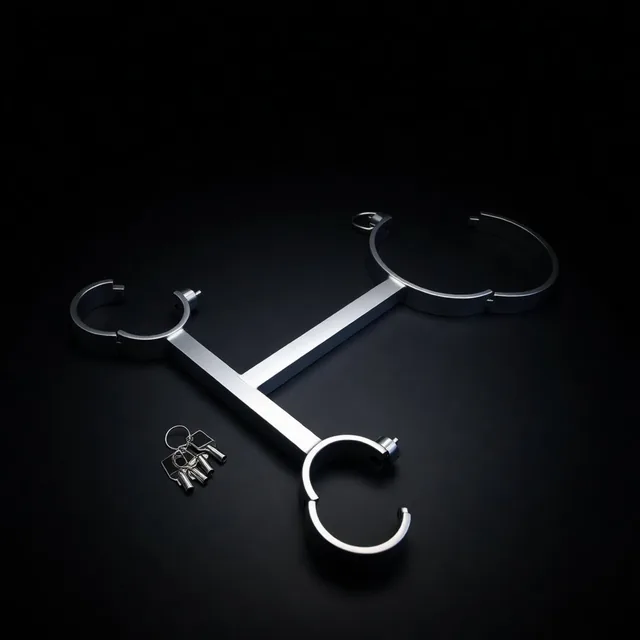
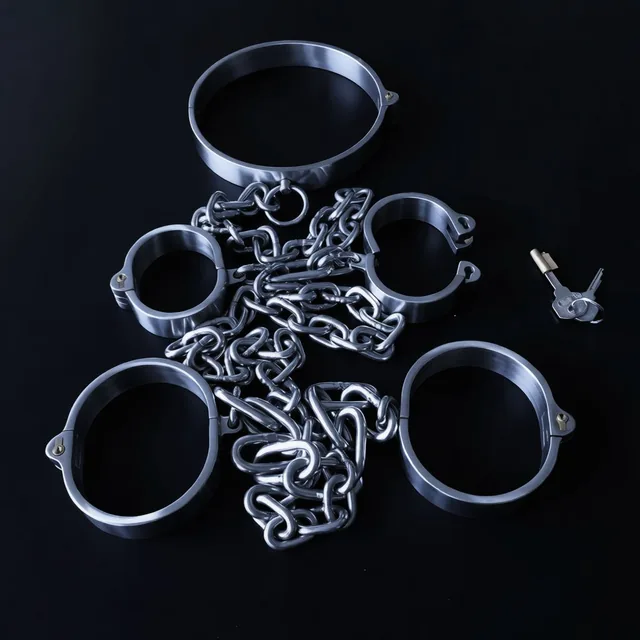
One key. This is the argument, and it is a better one than it sounds. A three-piece set that is keyed alike opens collar, wrists and ankles with the same key — found in the dark, in a hurry, by someone who is not thinking clearly. Assembling the same three pieces separately gives you three keys and three chances to reach for the wrong one. Our Foundry set is built this way.
Matched sizing. Collar and cuffs ordered as one fit sit right together. Mixed purchases from different makers rarely do — not because anyone is wrong, but because "men's" is not a standard.
Matched finish. Brushed steel from two factories is two slightly different greys. It only bothers some people, and those people usually discover they are one of them after the second purchase.
A lower total price, generally, which is the least interesting reason.
What buying one at a time gives you
You find out what you like before you commit. Most people who buy metal restraints discover their preference is narrower than they expected — wrists but not ankles, weight but not rigidity, a collar they wear daily and cuffs that come out twice a year. A set makes that discovery expensive.
Better pieces, individually. A set is designed to a price across three items. A single piece at the same total spend is usually a better object.
No dead stock. Everyone who buys sets ends up with one piece they never use.
A reasonable rule
If you are new to metal, buy one piece — most people should start at the wrists, and first restraints explains why. Wear it a few times. Then buy the second thing you missed, not the thing that came in the box.
If you already know what you respond to, and what you respond to is more than one joint at once, buy the set. At that point the single key stops being a convenience and starts being the safety feature.
If you buy a set, check these
- Keyed alike, or three keys? Not all sets are. It is the whole point; ask.
- How many keys ship? Two is the minimum. A third kept elsewhere in the house is cheap insurance.
- Is it one fit or mixed? A "unisex" three-piece usually means a compromise on at least one of the three.
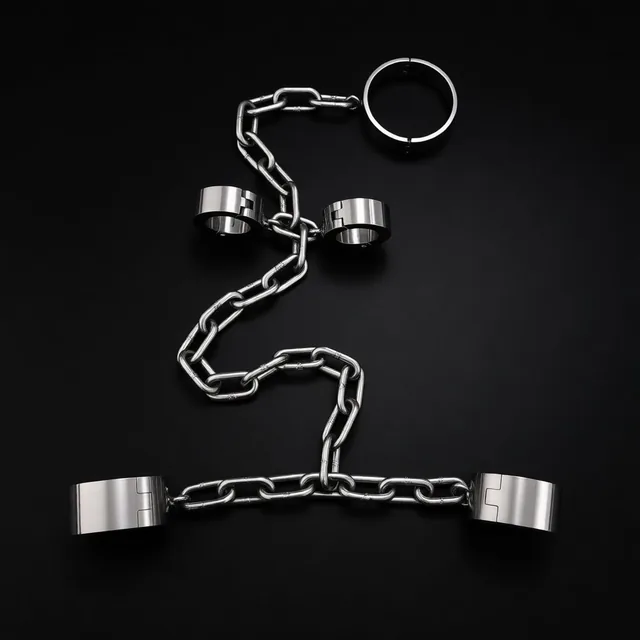
- Are the pieces linked or separate? A connected system behaves very differently from three independent pieces that happen to match.
- Nothing is load-bearing. No set we carry is rated to carry body weight, and connecting pieces together does not change that.
Sets are in heavy steel bondage sets; single pieces are throughout the shop.
The pieces this is about